
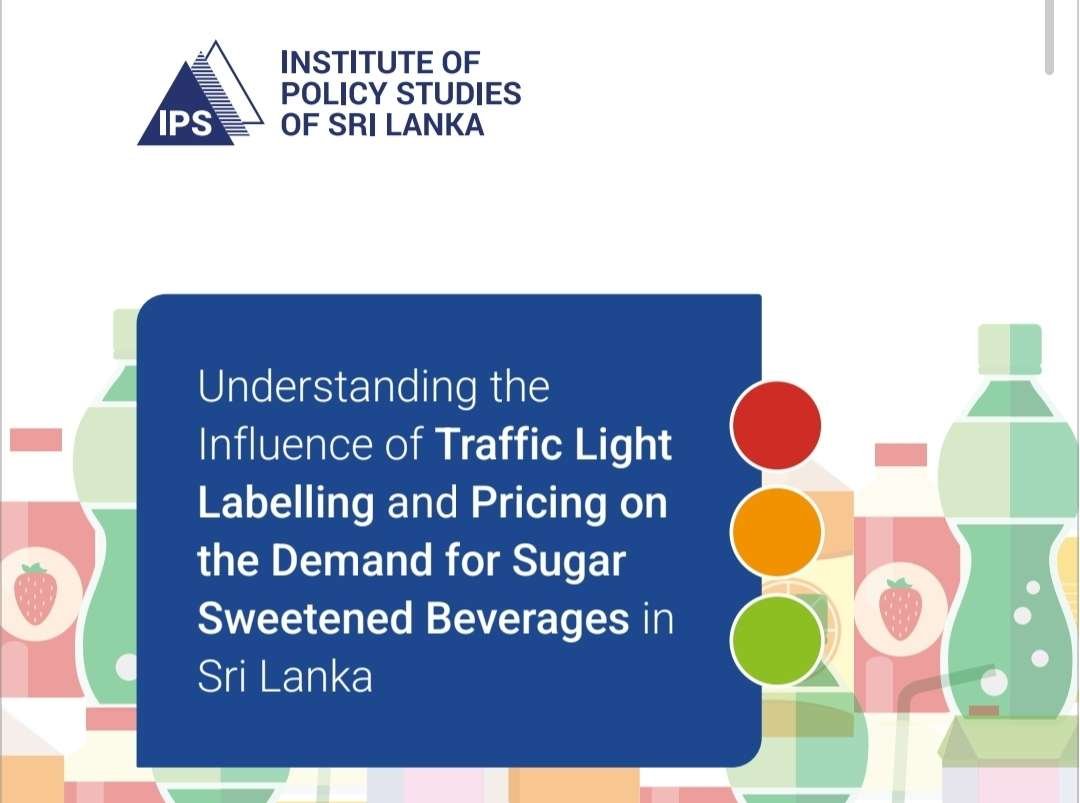
IPS study highlights impact of sugar tax and labelling on Sri Lankan consumers
Sri Lanka’s current sugar tax and traffic light labelling system are helping reduce the demand for sugary drinks, but policy gaps are limiting their overall impact, according to a new study by the Institute of Policy Studies of Sri Lanka (IPS).
The study found that consumers in Sri Lanka are highly sensitive to price changes when purchasing sugar-sweetened beverages (SSBs), with a 10% increase in the price of carbonated soft drinks leading to an estimated 15% drop in demand.
Researchers also found that while many consumers understand traffic light labelling (TLL) and tend to avoid high-sugar drinks when labels are visible, unhealthy beverages continue to be purchased due to their lower prices.
The study, authored by Priyanka Jayawardena, Nisha Arunatilake, and Usha Perera, revealed that around two-thirds of Sri Lankan consumers are aware of traffic light labelling. Awareness was found to be higher among younger, more educated, and higher-income groups.
According to the findings, traffic light labels discourage consumers from choosing high-sugar drinks and encourage lower-sugar alternatives, even when factors such as pricing and product features are considered.
However, the report noted that lower-income consumers are less responsive to the labels due to affordability concerns, highlighting the continued importance of maintaining effective sugar taxes.
The researchers recommended regular revisions to sugar tax rates to maintain their real value, along with stronger public awareness campaigns on nutrition labelling.
The IPS said the study highlights the need to address gaps in awareness, equity, and policy effectiveness to better tackle diet-related non-communicable diseases in Sri Lanka.
Full Report
Local News
Sri Lanka launches ‘Life Cities’ urban development programme
12 September 2026
Gold prices in Sri Lanka drop by around Rs. 4,000
11 September 2026
Third Metro Depot opens at Ekala, adding 20 new buses
10 September 2026
20 injured as bus topples into canal in Minneriya
10 September 2026
Trending News
SIMs to be deactivated on unregistered new mobile devices from tomorrow
30 September 2020
CSE ASPI touch all-time high of 10,037.61
27 October 2021
Popular actress Sureni Senarath passes away
26 May 2021